
SQL Server char and varchar Data Types
CHAR is a fixed-length, non-Unicode string data. n defines the string length and must be a non-fractional value […]
CHAR is a fixed-length, non-Unicode string data. n defines the string length and must be a non-fractional value […]

The right() function returns the right part of a character string with the specified number of characters. It […]
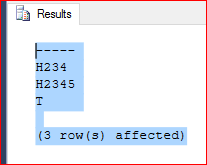
The UNION, EXCEPT and INTERSECT operators are relational operators that combine rows from the results sets of two […]
Here we have a couple of code examples that work with dates. The first one gets today’s date […]
In SQL Server you can run a SELECT query that shows you all of the records that have […]
As mentioned earlier, the Transact-SQL statements have three categories: DDL statements, DCL statements, and DML statements. Each of […]
In SQL Server, user-defined functions (UDFs) are similar to stored procedures, except that they do not support OUTPUT […]
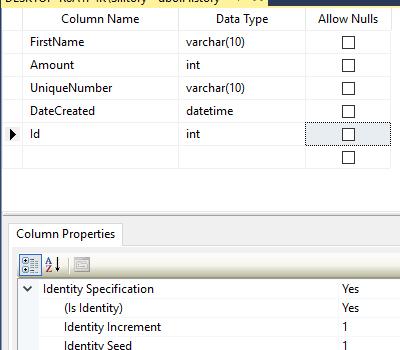
You may to date and time stamp every row/record that you add to your table. You may want […]

Suppose you have one table where you need to show all of the rows that have duplicate (more […]
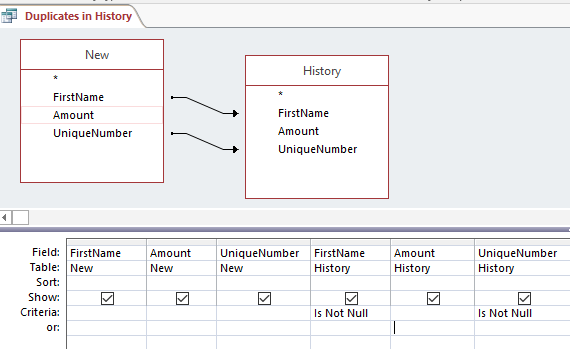
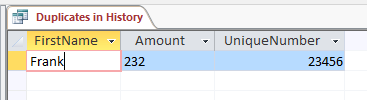
This blog post is a continuation from the previous blog post called SQL Finding Duplicates across Two Tables […]
This post discusses the query needed to check if there are any duplicate values in a certain column […]
This post continues from our second post called T-SQL Bulk Insert-Output Part 4. All we are going to […]